





If you work in housing, you’ll recognise this straight away. Colleagues are out on estates all day. Repairs. Inspections. Safeguarding. Supporting residents. Moving between sites that don’t neatly match a coverage map. When mobile connectivity doesn’t hold up, the job doesn’t just slow down. It stops. Appointments slip. Admin backs up. And the impact is felt by residents first.
That’s the reality we hear again and again from housing associations. And it’s why conversations about mobile services have shifted away from tariffs and toward something much more practical:
Does this actually work, day in, day out, for the people doing the work?
Why organisations like Walsall Housing Group matter
It’s also worth pausing on who organisations like whg are, and why the work they do matters so much.
whg describes itself as a purpose‑driven organisation. Their belief is simple and powerful: everyone has the right to a safe, secure, affordable home, and that this is the foundation for a successful life.
That purpose shows up in the day‑to‑day reality. Housing associations aren’t just managing buildings. They’re supporting people. They’re maintaining safety. They’re working at the point where housing, wellbeing, and community resilience meet.
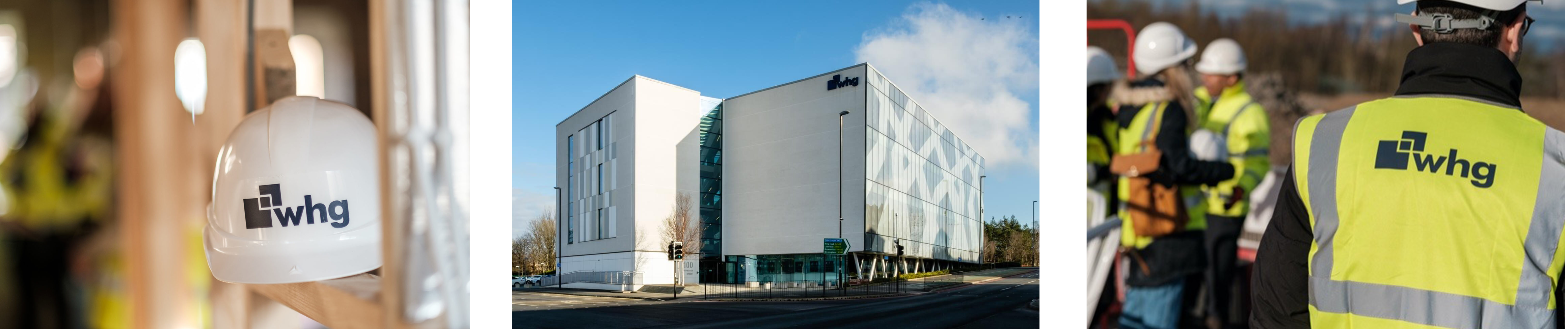
When systems behind the scenes don’t work properly, the impact doesn’t stop at an IT team. It reaches frontline colleagues, and ultimately the residents who rely on those services being delivered well.
That’s why supporting organisations like whg matters to us. Not as a logo, or a “sector win”, but because helping their teams work more effectively has a real knock‑on effect in the communities they serve.
Reliable mobile connectivity is critical for our teams, particularly those working out in the community. Intercity’s approach has supported us with greater visibility and control over our mobile services, alongside a partnership model that aligns with our operational needs.
Dan Groom, Service Delivery Manager at whg.
Flexibility matters when your teams work everywhere
One of the quieter frustrations we see in housing IT teams is being locked into a single approach that no longer fits how the organisation operates.
Different teams have different needs. Locations behave differently. Estates change. Developments come online. What works today may not work tomorrow.
The answer isn’t constant churn or unnecessary complexity. It’s flexibility built into the service model.
For whg, the requirement was straightforward: a mobile service designed around local coverage needs, without fragmenting management or support. One service. One point of accountability. Enough flexibility underneath to adapt as requirements evolve.
Not clever for the sake of it. Practical by design.
Where most of the friction really sits: Admin
When mobile services fall short, signal often takes the blame. But spend time with housing IT teams and another issue comes up just as often: admin friction.
Simple changes take too long. Requests bounce around inboxes. Reporting is clunky. Visibility is limited. The service desk becomes a middle layer for things that should be routine.
Over time, that friction adds up. It drains time and attention from work that actually matters.
For whg, reducing reliance on email and phone‑based processes was a clear priority, alongside giving their team more direct control over the mobile estate.
That’s where self‑service stops being a “feature” and starts being genuinely useful.
Self‑service isn’t about control. It’s about time.
In conversation, whg described the move to self‑service as a “game changer”. Not because it looked impressive, but because it removed friction. Being able to make changes directly. Toggle a setting. Pull the right information without waiting. See what’s happening without chasing it.
Those moments save time. They free up the service desk. They reduce frustration. And they make mobile services feel like something the organisation controls, rather than something it works around.
For teams already stretched thin, that difference matters.
Visibility is how you stay in control after go‑live
One of the biggest risks with mobile contracts isn’t the transition. It’s what happens afterwards. Joiners, movers and leavers are constant. Usage patterns change. Costs creep if no one’s watching. Without visibility, governance becomes guesswork.
whg’s requirements included near real‑time insight, alerting, and the ability to spot patterns across the mobile estate. Not for reporting’s sake, but to stay in control as the organisation evolves.
Good mobile services don’t just get you live. They help you stay in control long after go‑live.
A final thought
Mobile services rarely fail because of one big decision. They fail through a series of small, everyday frustrations that never quite get fixed. The organisations that get this right focus less on what looks good in a proposal and more on what works in practice. For field teams. For service desks. For the communities they serve.
That’s the difference between a mobile contract and a mobile service.
If you’re thinking about how mobile services actually support frontline work, we’re always happy to share the practical considerations we see time and again across housing organisations.
Talk to us about mobile services that work in the real world.


YOU MAY ALSO BE INTERESTED IN:
Agentic AI Risks: Why Intent Matters More Than Capability
UC Provider Checklist: 6 Things to Compare Before You Buy
AI Risk for UK Businesses: Beyond the Doomsday Headlines
