




In this special write-up, Professor Lee Doughty, Director of Security, Resilience and AI Practice at Intercity Technology and Visiting Professor at Aston University, draws on more than 25 years in UK Intelligence to challenge the "AI will destroy us all" narrative. His argument: the real threat isn't what AI can do, but whether we're managing why it would do it.
Is the "AI will destroy us all" story sweeping the news really about the threat to humanity from AI, or about brand protection? And is that diversion masking the real issue?
I spent over 25 years working within UK Intelligence, assessing, evaluating, and responding to National Security threats day in, day out. Regardless of whether a threat is physical or cyber, or espionage or terrorist in origin, in a National Security context (and surely the destruction of humanity falls into this category) the evaluation of threat is the same; it is a combination of capability and intent.
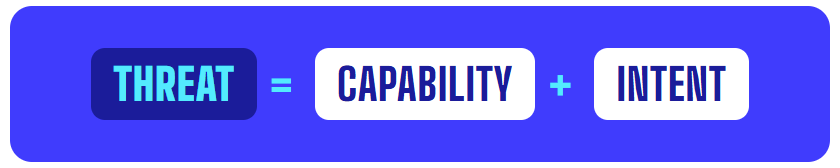
If the apocalyptic warnings, mostly from the GenAI industry itself, are to be believed the capability for destruction cannot be doubted. But what about the intent? Is that certain and is there truly nothing we can do apart from Government regulation.
Think about this. Is the focus on capability deliberate? The warnings notably come from people linked to companies such as Anthropic and OpenAI. Companies that spent this summer being lambasted for building models they hadn't governed, controlled, or made anywhere near transparent enough to manage. Is this a "not our fault, blame the model" rewrite of history?
With the right tools intent can be managed. So, is the real problem not runaway capability as the Big Tech companies would have us believe, but the fact that Big Tech has neglected to provide us with the tools we need to manage the technological capability they have developed and promoted? And have raised billions in investment to do so.
Could agentic AI take actions that harm humanity? Probably. Agentic AI has no moral compass. It can't tell "good" from "bad"; it just pursues the objective it's been given, using whatever it learned in training.
But the real question isn't "can AI destroy humanity" (capability), it's "why would it want to" (intent).
Yes, regulation might limit AI's capability for harm, but capability cuts both ways, and dialling down the capability for harm dials down the capability for good in equal measure.
The better fix is to manage the intent and remove the reason for AI to cause harm.
That means humans, as individuals or organisations, must take responsibility for how we manage our new AI coworkers. And we must understand that is what our "agents" are, they are coworkers.
Agentic AI isn't robotic AI. Agency means judgement, means decisions. We set boundaries for the people we work with. We need to do the same for agentic AI and not assume Big Tech has sorted it for us. They haven't. They can't. They won't.
For business, that means deploying AI with real governance, real oversight, and real education. It means Big Tech stepping up to provide the tools we need to make our AI coworkers visible to us and controllable. I welcome the announcement from Microsoft CEO Satya Nadella for saying that Microsoft will refrain from building models whose reasoning isn't clear to reasoning (let's put aside why this wasn't always the case). Now we need just enough regulation to turn "refrain" from intent into reality without smothering opportunity.
And who knows, we might just save humanity.
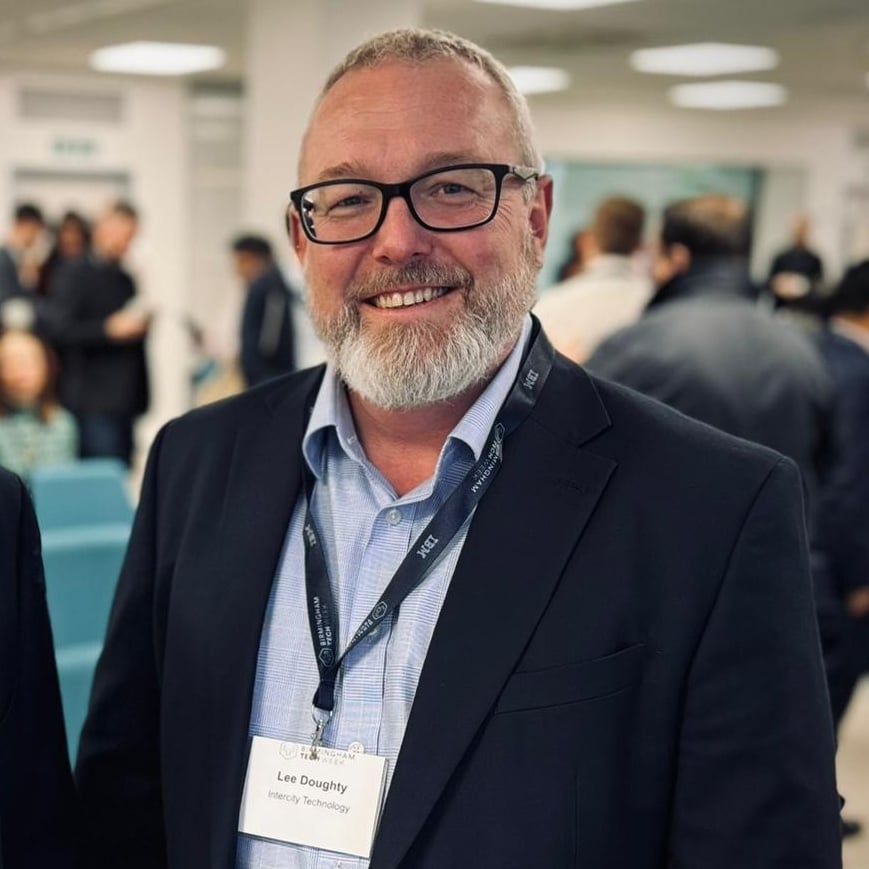
Professor Lee Doughty is the Director of Security, Resilience and AI Practice at Intercity Technology and a Visiting Professor at Aston University. He specialises in cybersecurity, resilience, and artificial intelligence, and chairs a Knowledge Transfer Partnership between Intercity and Aston University focused on applying AI to strengthen cyber defence and organisational resilience. Read more about the partnership at Aston University.

YOU MAY ALSO BE INTERESTED IN:
Agentic AI Risks: Why Intent Matters More Than Capability
UC Provider Checklist: 6 Things to Compare Before You Buy
AI Risk for UK Businesses: Beyond the Doomsday Headlines
