


Early insight from our team in San Francisco, combined with our first look at Microsoft’s Book of News 2026.
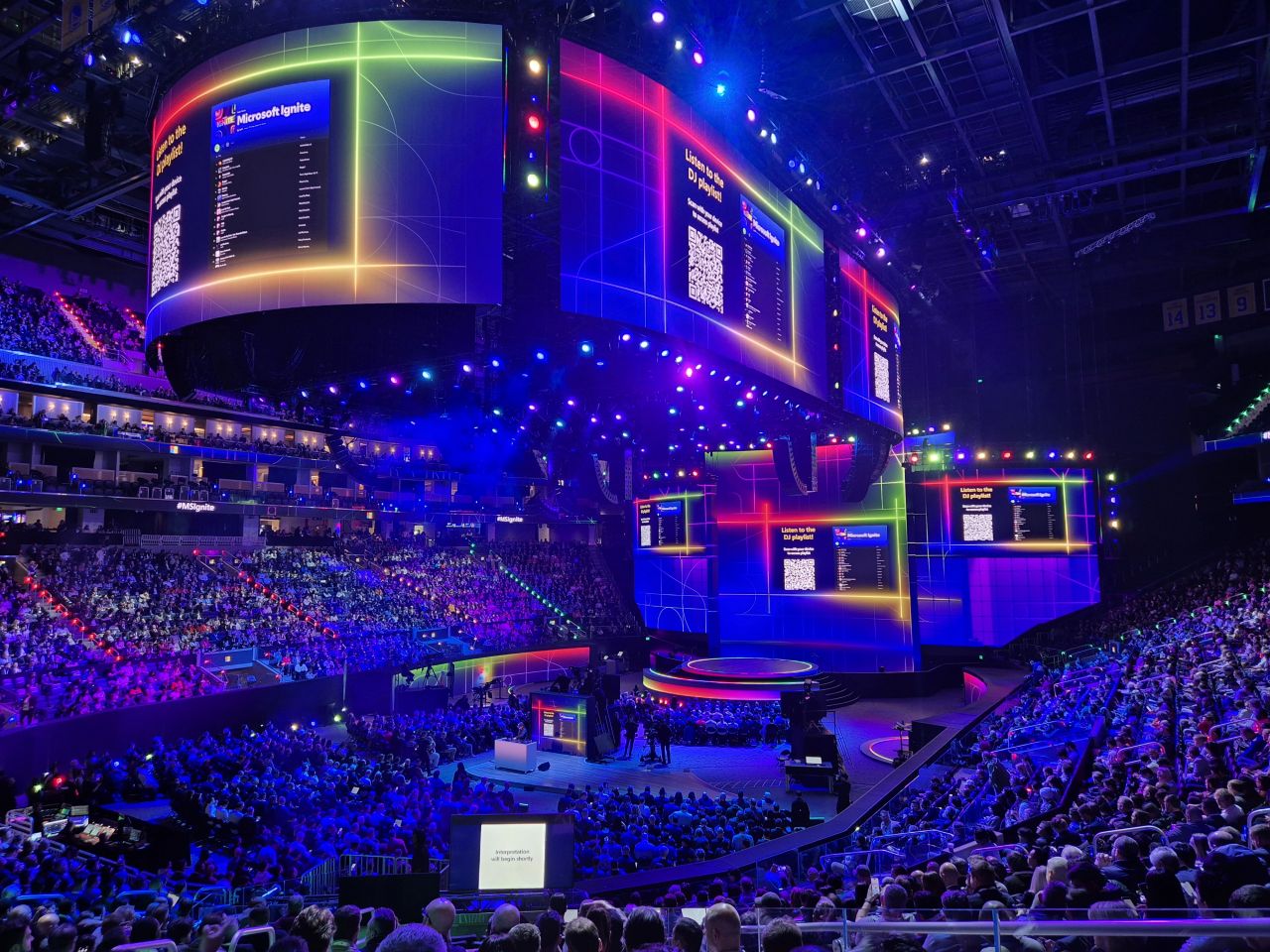
Our team is in San Francisco for Microsoft Ignite 2026, hearing directly from Microsoft, its partners and organisations already putting its latest technology to work. Microsoft has introduced new capabilities across Microsoft 365 Copilot, Microsoft IQ, Agent 365, Azure, security, data and business applications, and released its Book of News 2026 alongside them. Some of this is generally available; some remains in preview. This is a first-look summary, and we’ll keep testing the detail as more sessions take place.
One message is already clear: Microsoft is moving the conversation beyond individual artificial intelligence (AI) productivity, towards an operating model where people, AI agents, organisational knowledge, business systems, security controls and cloud infrastructure work together.
"The big shift is that AI agents are going from answering to acting, and trust is now what decides who wins. Microsoft Perception is now generally available: AI agents that find and fix threats at machine speed. Windows adds built-in containment and identity for agents. Security is finally the foundation, not the afterthought. Bring on the rest of the week!"
James Pearse, Chief Technology Officer, Intercity
The early message from San Francisco
The opening sessions were framed around “frontier transformation”: AI moving from a tool that helps one person finish a task, to a capability that can take part in how an organisation runs. Three connected shifts stood out:
- Humanisation: Copilot becoming the central place people find information, create work and delegate activity.
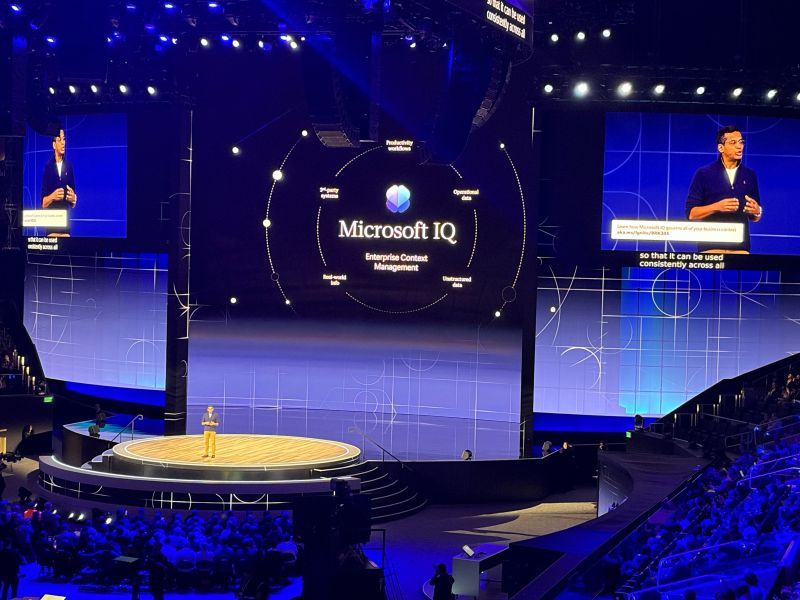
- Organisational intelligence: agents working with an organisation’s own context and data through Microsoft IQ, not just a single prompt.
- Trust: stronger identity, permission and risk controls as agents gain real access to information and systems.
Microsoft is describing Copilot as a new operating system for work: AI that can be given an objective, use approved organisational knowledge and business tools, and carry out several stages of work over time. Copilot Home brings different AI experiences into one starting point, with automatic routing to the right mode or model. Much of this remains in preview, but the direction is hard to miss: AI is moving from assistance towards delegated work.
"Microsoft IQ will be a major step towards unlocking organisational intelligence by connecting business data, knowledge and context across Microsoft 365, Fabric and Foundry. The opportunity for organisations is no longer simply about deploying Copilot or introducing AI tools. It's about fundamentally rethinking how work gets done, connecting people, data, applications and intelligent agents to deliver measurable business outcomes!"
David Craft, Microsoft Alliance Director, Intercity
WHAT IT MEANS FOR BUSINESS LEADERS
WHAT IT MEANS FOR IT LEADERS
Every useful agent brings dependencies: identity, access, data, infrastructure, integration, monitoring and cost.
IT leaders are being asked to support a shift from a small number of AI assistants to a much larger and more varied population of agents. That takes more than enabling licences: it means building identity, access, security, data, operational and financial controls around systems that increasingly act on their own.
The Intercity view, based on what we know so far
The AI conversation is becoming more practical, but also more demanding. The opportunity is moving beyond buying Copilot licences or experimenting with prompts. Organisations need to understand where AI could create meaningful value, prepare the data and technology beneath it, secure the identities and connections involved, and measure what happens after deployment. The organisations that pair business ambition with IT readiness, rather than chasing every announcement, will be best placed to move from enthusiasm to practical advantage.
Get the full deep dive, head over to Microsoft Ignite 2026 Book of News: news.microsoft.com/events/ignite/2026/book-of-news